
Decoding the foundation of human development.
We investigate the molecular mechanisms of placental development and dysfunction to improve early prenatal screening and maternal-fetal outcomes.
The placenta is the least understood human organ, yet the most critical for lifelong health.
At the Drewlo Lab, we bridge the gap between basic cell biology and clinical obstetrics. Our multidisciplinary work aims to drive the production of novel tools and assessment methods to improve pregnancy health and fetal development to ensure a healthy future for all mothers and babies.
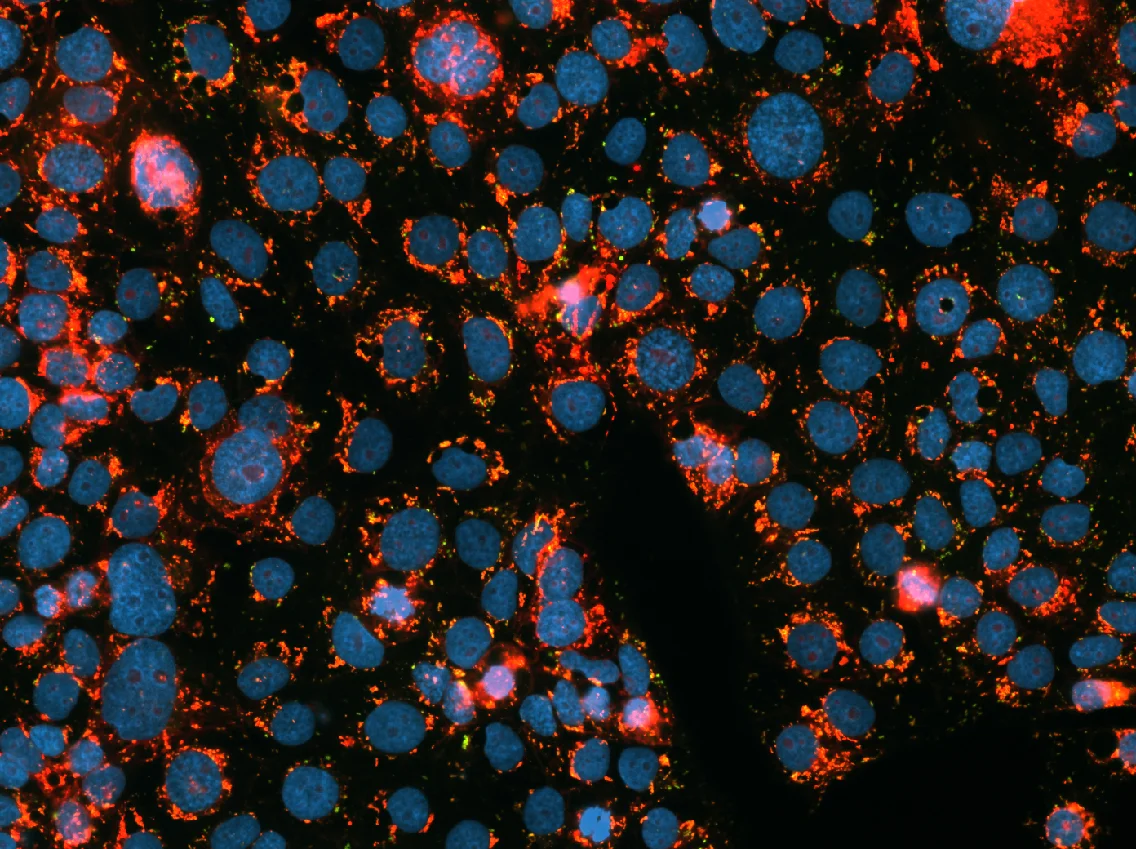
Using advanced organoid models, single-cell transcriptomics, and clinical biobanking, we dissect how the trophoblast lineage establishes the maternal-fetal interface — and how we can detect early deviations from normal development through non-invasive biomarkers.
“We can now study those [placental] cells in greater detail and might uncover mechanisms that relate to disease development and progression…
I think we will make big leaps there, because for the first time we have a window into early pregnancy.”
— Dr. Sascha Drewlo, PI
Research Focus
We use translational science to better understand maternal–fetal communication and advance evidence-based clinical care.
Cervical Trophoblast Cell Research Program
Our primary research focus investigates placental cells that shed into the cervix. We use an innovative, non-invasive approach to study placental and fetal health during early pregnancy through collection of extravillous trophoblast cells from the cervix. By using a simple, minimally invasive procedure, we gain access to placental cells much earlier than traditional diagnostic methods. By analyzing these cells, our research aims to improve the early detection and understanding of pregnancy complications such as preeclampsia, fetal growth restriction, and preterm birth. Our goal is to advance prenatal diagnostics and deepen our understanding of placental biology to support healthier pregnancies and better outcomes for mothers and babies.
